Jaw shaving is common amongst women who feel that their lower jaws are too wide in proportion to the rest of their face. Widened jawlines can be due to a number of factors, including bone, fat, or a large jawbone muscle (hypertrophied masseter muscle). Jaw shaving applies to patients with broad jawbones, whereas jaw slimming with injection therapy can better target larger jawbone muscles. Jaw shaving is a specialized procedure that few surgeons can perform, our doctors have years of experience performing mandibular surgeries and we are able to confidently offer this procedure to our patients at our clinic.
BEST CANDIDATES FOR JAW SHAVING SURGERY
– A wide jawline due to overly large jawbone
– A desire to improve the appearance of their jaw
CONSULTATION
During the consultation, our doctors will examine the jaw area and inspect it to determine what specifically is responsible for the widened appearance. We will also ask for a complete medical history, including existing medical conditions, past surgeries, tobacco usage, medications, supplements, and allergies. Our doctors will explain the next steps in going forth with the procedure for eligible candidates. In order to have the best results, our doctors and the patient will work together to decide all the necessary details.
SURGERY DETAILS
Jaw shaving surgery lasts approximately 2-3 hours. The incision is placed within the mouth so that there are no visible scars on the skin after surgery. After accessing the mandibular bone from this incision, our doctors will surgically slim the jawbone by shaving it and will close up the incision site with sutures, again leaving no visible scar.
RECOVERY & POST OPERATION
– After the surgery, our doctors will wrap some dressings around the head to aid healing in the first week.
– This operation involves slimming the bone, so the jaw is prone to swell more than in many other operations. It is therefore very important that patients keep their head up 30 degree on bed.
– Use cold/ ice pack for the first 48 hours to prevent swelling and reduce pain.
– Expect mild to moderate pain immediately after the surgery. Take pain killers as directed.
– Eat soft food for one week after surgery.
– Gently compress the wound area with a clean towel and call office immediately if you experience unexpected bleeding from surgical wound.
– Asymmetry, swelling, abnormal sensation or bruises may persist for 2-3 months after surgery even after stitches are removed.
FROM OUR DOCTORS
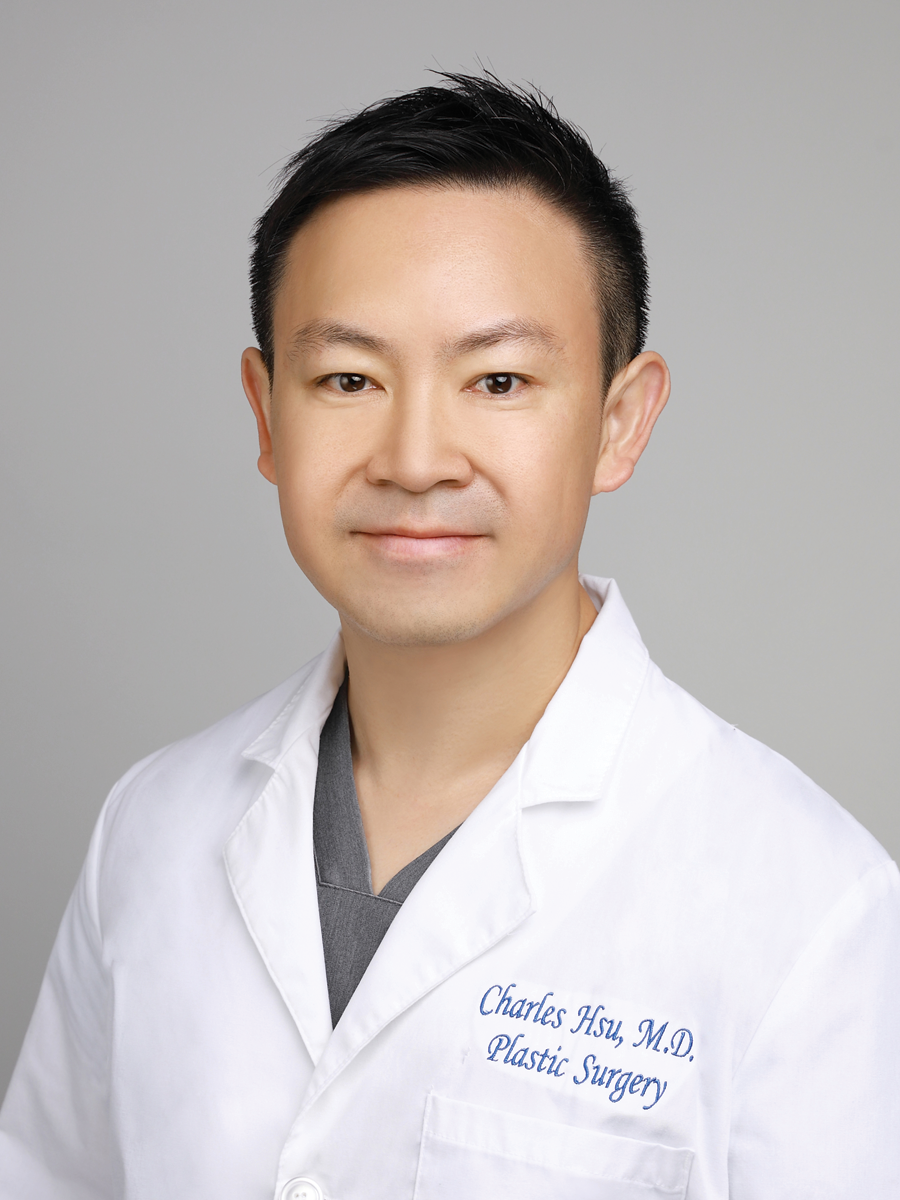
“In patients who don’t want to undergo multiple injections for the jaw slimming, jaw shaving accomplished through surgery can work very well. This is a procedure that was initially pioneered in Asia and is now quite popular there. The biggest issue with this surgery is just that the initial swelling can be significant, so I will always tell patients to be prepared for that. Bone surgery, especially around the jaw, tends to cause more swelling than for other procedures. Fortunately, the swelling does go away and when it does, the results can significantly slim the contour of the lower face.”
– DR. HSU

“Many patients are bothered by an overly strong jaw that is too squarish. Contouring the bone by removing the most angular parts of the jaw bone can significantly improve someone’s face shape”
– DR. YUAN
FREQUENTLY ASKED QUESTIONS
What can I eat after Jaw Shaving surgery?
Patients may have a hard time chewing and swallowing after the first few days from surgery. Our doctors recommend a liquid diet or a light diet of soft foods for the first couple of days post-surgery to help aid with the problem of chewing. Patients may also have a hard time talking and yawning for the first few days after surgery, so it is best to avoid talking to allow the area to rest.
What can I expect in my final results?
When it comes to expectations, patients need to be realistic. Through the surgery, patients will receive a balanced chin and jaw and that will balance the mid and upper face. Once the swelling and bruising has resolved, most patients are more confident with their new, better-looking jaw.
Recovery tips to a faster recovery?
An easy way to have a swift recovery is to maintain the elevated position during rest by sleeping on two pillows at night. Our doctors also highly recommend covering the area when going outside. There will also be numbness when talking, yawning, eating, and anything else that involves the jaw. During the recovery period, walking assists with healing and minimizing blood clots. Patients are advised to take up to 1-2 weeks off from work and to avoid any situation that involves facial contact for two months.
SCHEDULE A
CONSULTATION
We are looking forward to meeting you in person, hearing your aspirations, and tailoring a surgical plan especially for you. We hope our in-person consultation will answer all of your questions, provide you a sense of confidence and also further your excitement of the path you are on.